Complex Rehab Power Mobility

Permobil power wheelchairs engineered for clinical seating outcomes.

Permobil delivers FDA-cleared power wheelchair platforms with ISO 7176 durability evidence, HCPCS documentation packs, and battery lifecycle data that value analysis committees can verify before capital approval.

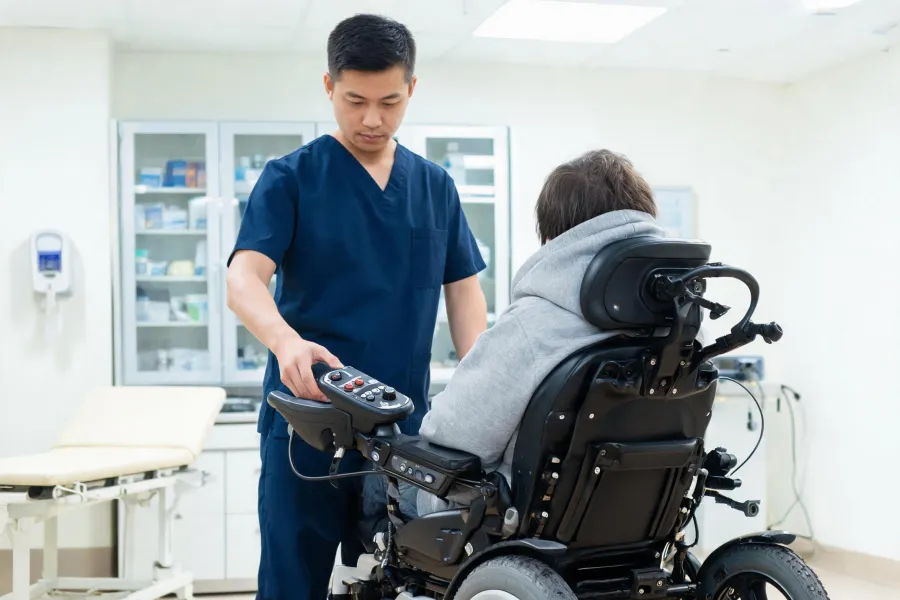
Permobil power wheelchair in clinical rehab suite

Two-Column Platform Compare

M3 Corpus vs F5 Corpus — parameters procurement teams actually ask for.

Compare drive architecture, battery chemistry, seating electronics, and service documentation before you issue an RFP. Values below reflect typical Permobil configuration envelopes for complex rehab evaluation, not consumer marketing claims.

Parameter Permobil M3 Corpus Permobil F5 Corpus
Drive architecture Front-wheel mid-active for indoor clinical corridors Front-wheel high-torque for outdoor community transitions
Battery system Group 24 gel / AGM options; charger IFU with cycle logging High-capacity pack with documented replacement intervals
Seating electronics Corpus power seat functions with UDI-linked module IDs Expanded tilt / recline envelope for pressure redistribution protocols
Regulatory file FDA 510(k) cleared pathway; CE marked under MDR 2017/745 FDA 510(k) cleared pathway; IEC 60601-1 electrical safety dossier
Reimbursement support HCPCS Level II crosswalk + DME MAC region notes Prior-auth checklist + capped rental vs purchase guidance
Service documentation Error code list, battery removal SOP, service manual PDF Service manual, charger manual, firmware change-control log

Engineering Features

Alternating clinical proof points behind every Permobil fleet decision.

ISO 7176 durability envelopes, not brochure adjectives

Static stability, dynamic braking, and curb-climbing results are packaged for biomedical engineering review under ISO 7176 series methods. Committees can request the test report IDs alongside the 510(k) summary letter.
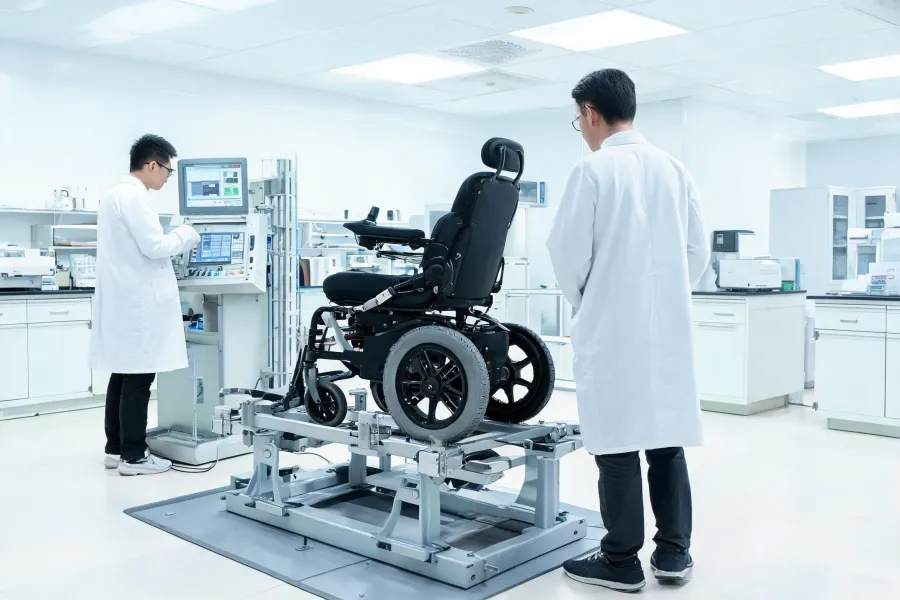
ISO 7176 durability test rig

Battery lifecycle with UDI-linked replacement records

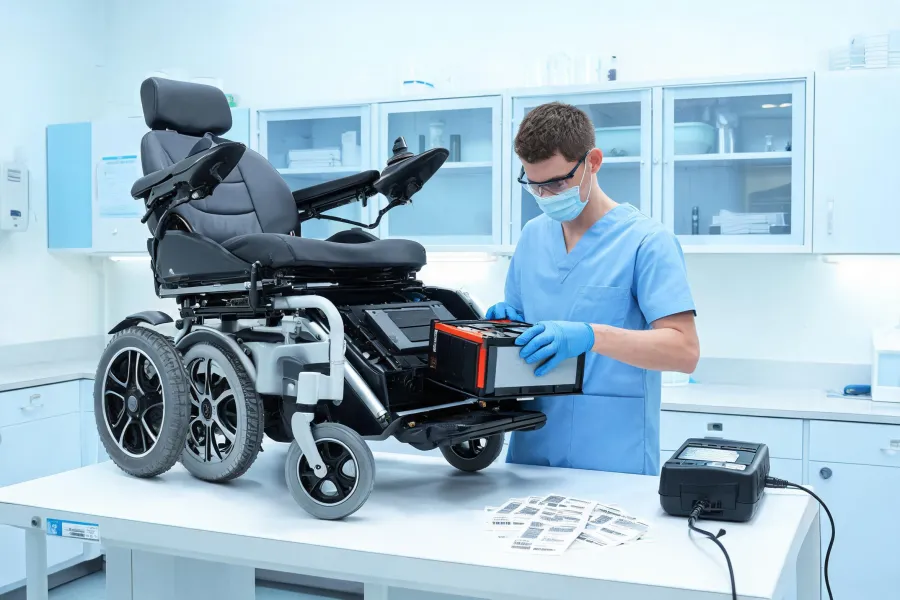
M3 / F3 / C300 battery type sheets list chemistry, charger compatibility, and removal steps. Service teams log UDI-DI / UDI-PI at swap so CAPA and recall lookups stay inside the DHR trail.

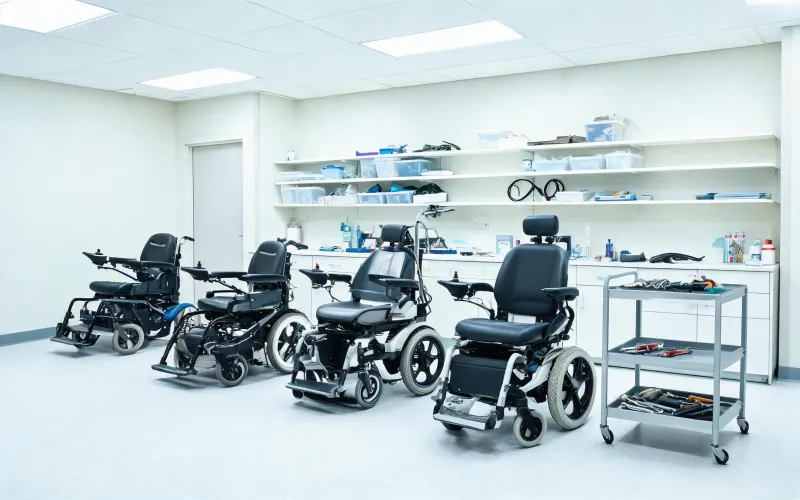
Power wheelchair battery service bay

Seating electronics aligned to pressure injury protocols

Corpus power seat functions support tilt, recline, and elevating leg rests used in wound-care pathways. Clinicians receive IFU sequences and teach-back checklists instead of vague comfort claims.

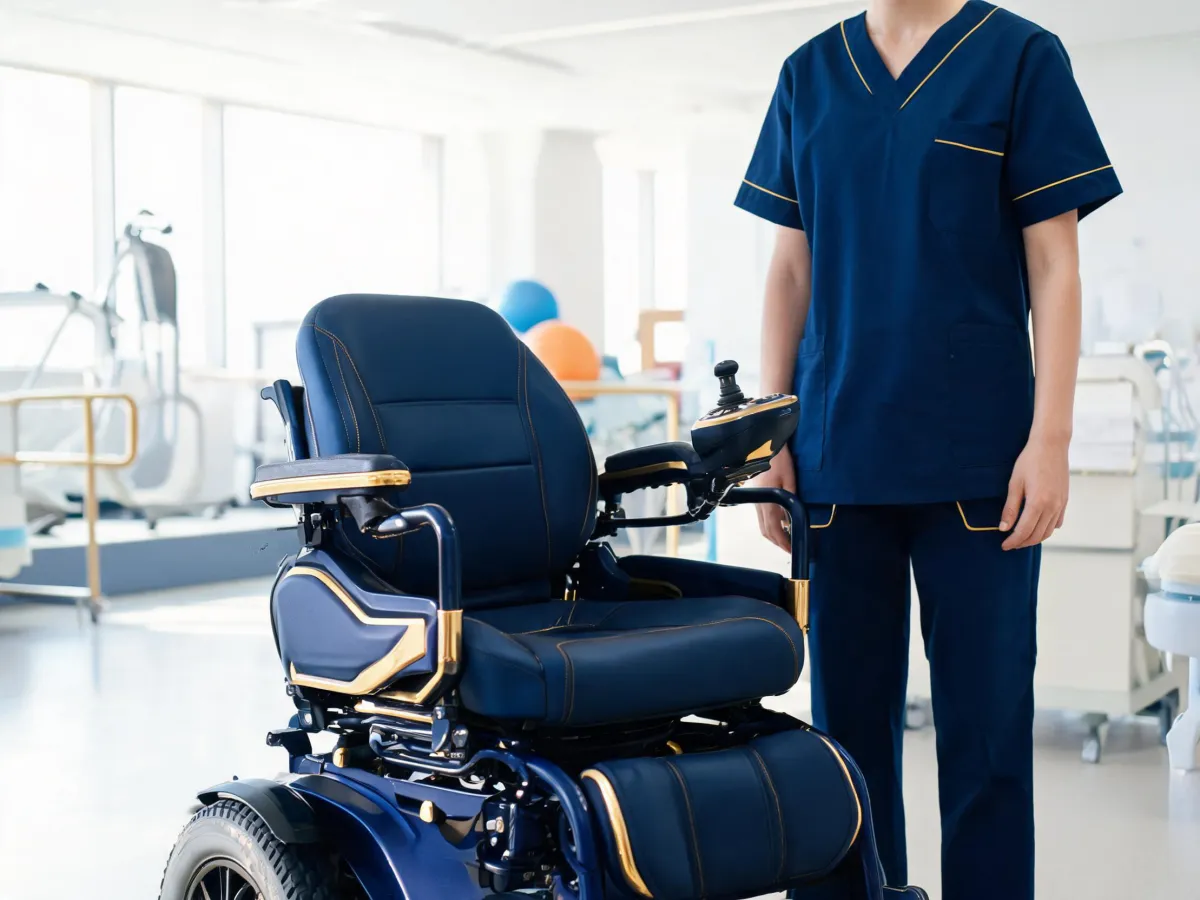
Complex rehab seating adjustment
FDA 510(k)Cleared power wheelchair pathway with indication-limited claims
ISO 13485Design controls, CAPA, and supplier qualification under medical QMS
IEC 60601-1Medical electrical safety dossier for powered mobility platforms
CE MDRCE marked under MDR 2017/745 with Notified Body oversight
UDI / GS1Device identification ready for recall and inventory matching

Care Settings

Where Permobil fleets are specified and serviced.

Hospital rehab unit

Tertiary Hospitals

Inpatient rehab and discharge planning teams standardize seating evaluations before home transition.

Outpatient rehab clinic

Rehab Clinics

ATP / seating specialists compare drive bases against pressure redistribution protocols and community goals.

Home health mobility setup

Home Health

Caregiver kits, charger manuals, and 30-day check-in calls reduce unsafe battery handling after discharge.

Skilled nursing mobility fleet

Skilled Nursing & LTC

Fleet age, PM gaps, and battery cycle counts feed replacement priority for materials management.

"What changed our value analysis vote was not a lifestyle photo. It was Permobil's ISO 7176 packet, battery cycle logs, and HCPCS crosswalk that our biomedical and reimbursement teams could defend in the same meeting."

Director of Rehabilitation Technology · Academic medical center, Midwest US

Bring Permobil performance files into your next capital review.

Share fleet size, care setting, battery service history, and HCPCS targets. We return a seating evaluation plan with IFU, 510(k) summary, and service coverage options.

Speak to a Clinical Specialist